
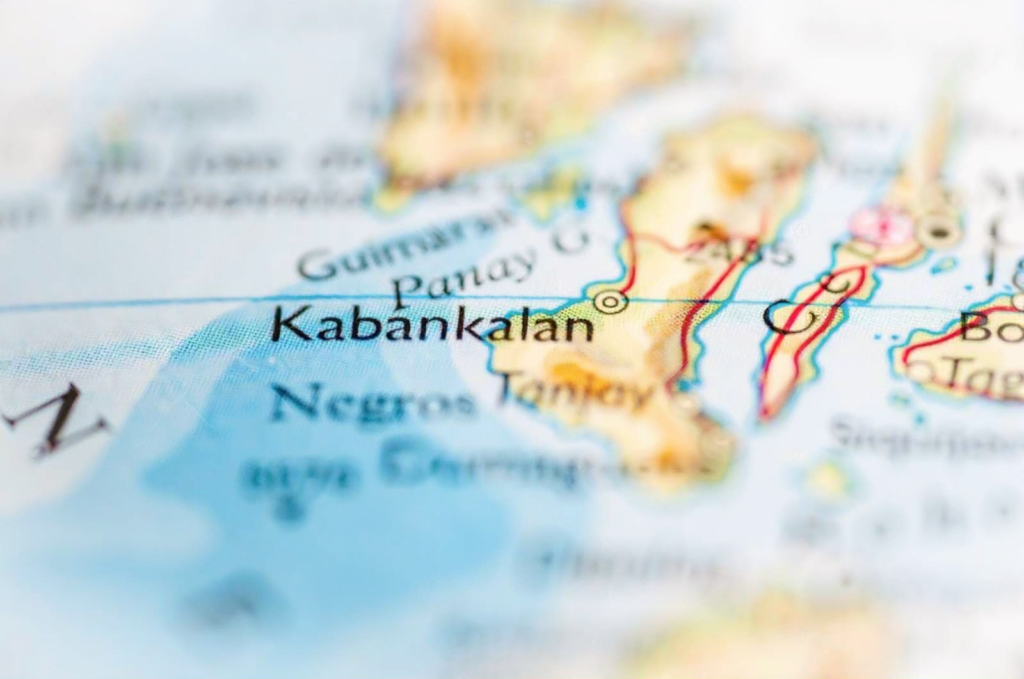
Choosing the right place to call home in Kabankalan is a major decision, especially given the city’s complex topography and climate vulnerability. Whether you are a local professional searching for a house and lot for sale in Kabankalan or an investor eyeing the city’s growth, understanding flood risks is essential for peace of mind.
In this guide, we provide a 2026 perspective on identifying secure residential areas, navigating local geographical challenges, and making an informed property investment for your family’s future.
The Importance of Flood Awareness in Kabankalan
Kabankalan serves as a vital trade and business hub in Negros Occidental. However, like many cities in the Philippines, it faces seasonal climate hazards. Knowing the flood-prone status of your potential neighborhood is not just a real estate tip it is a critical safety requirement for anyone looking for affordable housing or premium real estate.
Why Prioritize Flood-Free Zones?
- Asset Protection: Safeguarding your home and vehicle from catastrophic water damage.
- Health and Safety: Minimizing risks associated with waterborne diseases and mold proliferation.
- Long-Term Value: Properties in higher-elevation, non-flood zones generally retain better resale value and appeal more strongly to future buyers.
Navigating Topography: Tips for Finding Safe Areas
When evaluating residential sites, it helps to think like an engineer. Kabankalan’s geography is diverse, ranging from flatlands near water systems to elevated areas.
- Elevation is Your Best Friend: Always prioritize residential developments located on higher ground. Even a small increase in elevation can be the difference between a dry home and property damage during heavy monsoon rains.
- Proximity to Natural Drainage: Check the distance to local rivers and creek systems. Seek out developers who have invested in advanced storm-water management systems.
- Review Official Hazard Maps: Before signing any contract, consult the Project NOAH (Nationwide Operational Assessment of Hazards) maps or inquire at the City Planning and Development Office of Kabankalan. These are the gold standard for real estate due diligence.
The Micro-Climates and Hydrology of Kabankalan
Kabankalan’s geography is heavily influenced by its river basins. Unlike coastal cities, our inland flood risks are often “flash” occurrences linked to rapid runoff from surrounding uplands.
- The Ilog-Hilabangan River Factor: Understanding the influence of this major water system is key. Properties located along the primary floodplains of the river require higher Base Flood Elevation (BFE) standards.
- Soil Composition Matters: Beyond elevation, analyze the soil drainage capacity. Clay-heavy soils in some districts may hold water longer than porous, sandy-loam soils found in higher-elevation zones. When visiting a property, observe how quickly puddles dissipate after a standard afternoon rain. If the ground remains saturated for 24+ hours, the underlying drainage infrastructure or natural permeability may be inadequate for your long-term needs.
Best Practices for Homebuyers in 2026
Finding a home in a disaster-prone nation requires a proactive approach. Use these steps to ensure you’re making the right choice:
| Step | Action Item | Purpose |
| 1 | Visit during the rainy season | See how the road and lot handle heavy downpours in real-time. |
| 2 | Consult neighbors | Long-term residents are the best source of historical flood data. |
| 3 | Check elevation certificates | Ask the developer for formal topography reports. |
| 4 | Inspect drainage design | Look for wide, concrete culverts that are well-maintained. |
Advanced Due Diligence: Beyond the Surface
In 2026, a quick “walk-through” isn’t enough. To truly secure your investment, apply these professional protocols:
- The 5-Year Weather Benchmark: Ask specifically about the performance of the area during the last three major weather disturbances, such as Typhoon Odette. A property that remained dry while surrounding neighborhoods flooded is a Tier-1 asset.
- Infrastructure Connectivity: Check the “exit routes.” A house might be on high ground, but if the main arterial roads leading to the city center are impassable during a storm, your accessibility is compromised.
- Zoning and Future Development: Consult the City Planning Office not just for flood maps, but for development plans. Large-scale upstream developments can alter natural water flow. Ensure the subdivision you are eyeing has a documented flood-mitigation plan that accounts for future city-wide runoff changes.
- The “Rainy Day” Visit: If possible, visit the site during a moderate-to-heavy downpour. This is the only time you can witness the “flow path.” Where does the water pool? Is it directed toward the street gutters, or does it stagnate near the foundation?
Investing with Clarity: Risk vs. Value
There is a common misconception that “flood-free” is a binary state. In reality, it is a spectrum of risk.
- The “Flood-Zone Discount”: Some properties in slightly lower-lying areas are priced significantly lower. Investors often purchase these with the intention of performing “site elevation”—raising the foundation of the house 1 to 1.5 meters above the street level.
- Long-Term Resale Value: As a real estate specialist, I have observed that properties with certified flood-resilient engineering (e.g., elevated porches, raised electrical outlets, and reinforced drainage) consistently outperform “standard” builds in resale markets. When listing a property on NBP, we prioritize transparency regarding these technical specifications because informed buyers are willing to pay a premium for the certainty that their investment is protected.
Common Mistakes to Avoid
- Assuming “New” Means “Safe”: Just because a subdivision is newly built doesn’t mean it’s on high ground. Always verify the elevation before searching for a ready-for-occupancy (RFO) home.
- Ignoring Local History: Don’t rely solely on marketing brochures. Ask locals if the area has ever experienced “overflow” during typhoons.
- Overlooking Maintenance: A great drainage system is useless if it is clogged with debris. Check if the subdivision has a proactive homeowner association (HOA) that manages regular cleanup schedules.
Frequently Asked Questions (FAQs)
1. Is Kabankalan City generally flood-prone?
Some parts of Kabankalan are low-lying and historically prone to flash flooding, particularly near river systems. However, many modern residential developments are now built on elevated plots specifically designed to mitigate these risks.
2. Where can I find official flood hazard maps for Kabankalan?
You can visit the local City Planning and Development Office or access official government portals like the DOST-PAGASA website for regional hazard data.
3. What should I look for in a “flood-free” subdivision?
Look for elevation relative to the street, proximity to rivers, the quality of concrete drainage, and evidence of how the area handled past major weather events like Typhoon Odette.
4. Does higher elevation guarantee I won’t flood?
While higher elevation significantly reduces risk, it does not eliminate it. Proper home elevation and local drainage maintenance are equally important.
5. Should I ask developers about their flood mitigation plans?
Absolutely. A reputable developer will be transparent about the engineering measures they’ve taken to prevent water accumulation. This is a standard question when checking the best subdivisions in Kabankalan.
6. What are “Base Flood Elevation” (BFE) standards for residential builds in Kabankalan?
BFE is the computed elevation to which floodwater is anticipated to rise during a significant storm event. For new builds, the local building code and developer standards should aim to set the “finished floor elevation” at least 0.5 to 1 meter above the street crown, depending on the zone.
7. How can NBP help me find safe properties?
At Negros Buy Property (NBP), we curate listings by vetting the developer’s flood mitigation track record. We don’t just list homes; we aggregate property data including historical drainage performance and elevation markers to help you filter your search effectively.
Conclusion
Investing in a home in Kabankalan is a smart move for those looking to be part of a growing economic hub. By prioritizing elevation, checking official hazard records, and doing your on-the-ground due diligence, you can secure a property that offers both comfort and long-term safety.
Are you ready to find your dream home? Start by visiting potential sites during the wet season and talking to the people who already live there. Your future peace of mind is worth the extra research!
Are you currently prioritizing a ready-for-occupancy house, a pre-selling unit, or a vacant lot for custom construction? Let NBP help you narrow down your search based on these specific safety requirements.